
There is a quiet moment that happens in health care more often than we might realize.
A patient leaves an appointment carrying a feeling they cannot quite name. A family member walks out of a hospital room replaying a conversation in their mind. A nurse notices something small that could make care smoother or kinder next time.
Something meaningful has been experienced.
Something worth sharing. And yet, many times, it remains unspoken.
Not because people do not care. Often it is the opposite. People assume their voice will not make a difference, or they simply do not know where that voice belongs. In a system as complex as health care, individual experiences can feel small.
But they are not.
These moments hold insight into how care is actually felt and lived. When they are shared, they offer something powerful... the opportunity to learn.
This is where a culture of feedback begins.
A culture of feedback is not about criticism or performance reviews. It is about creating space for people to share what they experience, what they notice, and what they hope could be better. It is about recognizing that the people who move through the health system every day carry valuable knowledge about how care works in practice.
At Care Opinion, this belief sits at the heart of our work. We believe that stories matter. When people are invited to share their experiences, and when those experiences are genuinely heard, health care systems become more compassionate, more responsive, and more human.
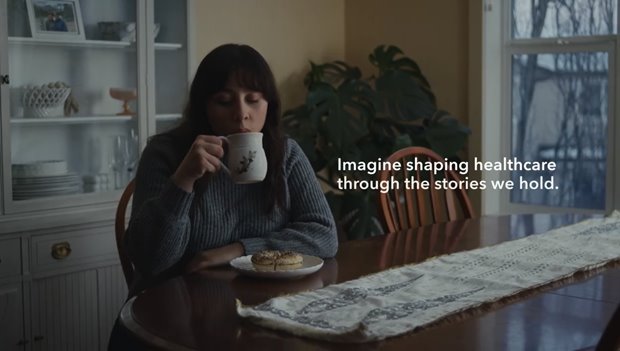
It begins with a simple but powerful idea: imagine shaping healthcare through the stories we hold.
Feedback is often treated as something to collect and measure, but it is far more than data. Feedback is experience. It carries emotion, perspective, and meaning. It reflects how people felt in a moment when they were often vulnerable and searching for reassurance or clarity. When someone shares a story about their care, they are offering a perspective that cannot be captured by numbers alone. Perhaps they felt supported by a nurse who took time to explain something clearly. Perhaps they felt lost navigating a confusing process. Perhaps they experienced a small act of kindness that made a difficult day feel easier.
These stories reveal something essential: how health care feels from the inside.
Yet feedback can be difficult to receive. It can feel personal, even when it is shared with good intentions. Leadership thinker Simon Sinek often describes feedback as a gift. Not because it is always comfortable, but because it offers a perspective we cannot see on our own.
For that gift to be shared, people must feel safe speaking honestly. Patients need to trust that their care will not be affected if they raise concerns. Staff need to feel confident that sharing ideas will be welcomed rather than dismissed. Psychological safety forms the foundation of any meaningful feedback culture.
In health care, feedback often arrives in the form of stories. Stories carry context, emotion, and humanity. They help us see care through another person’s eyes.
For stories to shape improvement, they need somewhere to live.
Care Opinion provides a space where people can share their experiences of health and care services in their own words. These stories are shared with organizations, creating opportunities to listen, reflect, and respond. Some stories highlight challenges. Others express gratitude for moments of compassion and care.
Together, they create a fuller picture of the system.
When organizations respond to these stories with curiosity rather than defensiveness, something important begins to happen. Trust grows. More voices join the conversation. Feedback becomes less about evaluation and more about learning together.
Imagine shaping healthcare through the stories we hold.
Within every story lies the possibility of insight. Within every shared experience lies the opportunity for improvement. A culture of feedback is ultimately a culture of listening. And in health care, listening may be one of the most powerful ways we can shape a system that truly cares.
Listening First: Building a Culture of Feedback in Health Care
Listening First: Building a Culture of Feedback in Health Care https://www.careopinion.ca/resources/blog-resources/0-images/cb3c13e3b146484db5d02cd05b7e64ef.jpg Care Opinion Canada +617 3354 4525 https://www.careopinion.ca /content/ca/logos/co-header-logo-2020-default.pngUpdate from Care Opinion Canada
Posted by Care Opinion Canada, on
Thanks for your feedback.